In today’s fast-paced world, flexibility and efficiency are paramount. This is where smart modular solutions are revolutionizing industries, from technology and furniture to construction and electronics. But what exactly does the term “smart modular” mean, and why is it becoming increasingly popular? This article explores the concept, applications, benefits, and future prospects of smart modular systems.
What is Smart Modular?
A smart modular system refers to a design or product that is composed of independent, interchangeable modules that can be easily added, removed, or upgraded. Unlike traditional designs that are rigid and fixed, smart modular systems offer adaptability and scalability. These systems often integrate smart technology, such as sensors, automation, and connectivity, allowing users to monitor, control, or optimize the performance of each module.
In essence, smart modular combines the flexibility of modular design with the intelligence of smart technology. This fusion makes it ideal for applications where adaptability, efficiency, and performance are crucial.
See also: Creative Hobbies to Enrich Your Leisure Time Effectively
Applications of Smart Modular Systems
1. Smart Modular Furniture
Modern homes and offices benefit from furniture that is not only customizable but also integrated with smart features. Smart modular furniture can include:
- Adjustable desks and seating systems with memory settings.
- Smart storage units with inventory tracking.
- Modular sofas that adapt to space and function while integrating wireless charging or lighting.
2. Smart Modular Electronics
Electronics are increasingly adopting modularity to extend device life and enhance user experience. Examples include:
- Modular smartphones where components like cameras, batteries, or sensors can be upgraded.
- Smart modular computers that allow users to add or replace GPUs, RAM, or storage effortlessly.
3. Smart Modular Construction
The construction industry is leveraging smart modular systems for faster, more efficient, and sustainable building processes. Modular construction involves prefabricated units with integrated smart systems, offering benefits such as:
- Reduced construction time.
- Lower costs.
- Energy-efficient smart buildings with automated climate control and lighting.
4. Smart Modular Industrial Solutions
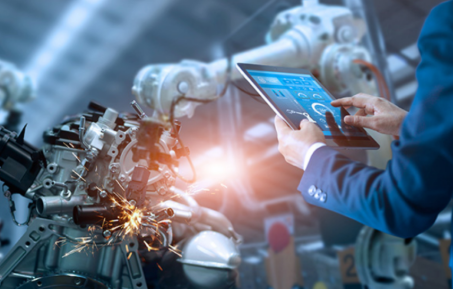
In manufacturing and industry, smart modular machinery and production lines allow:
- Quick reconfiguration for different product lines.
- Real-time monitoring and predictive maintenance.
- Increased operational efficiency and reduced downtime.
Benefits of Smart Modular Systems
- Flexibility and Scalability: Modules can be added or removed as needs change, making the system future-proof.
- Cost-Effectiveness: Instead of replacing an entire system, only specific modules need upgrading.
- Sustainability: Modular systems reduce waste since components can be reused or replaced individually.
- Enhanced Performance: Integration of smart technology optimizes energy usage, maintenance, and functionality.
- Customization: Users can tailor systems to their specific needs without compromising overall design or efficiency.
Challenges of Smart Modular Systems
While smart modular systems offer numerous advantages, there are challenges that businesses and consumers should be aware of:
- Compatibility Issues: Ensuring all modules work seamlessly together can be complex.
- Initial Investment: Advanced smart modular systems can have higher upfront costs.
- Maintenance and Software Updates: Smart modules often require regular updates and maintenance for optimal performance.
Despite these challenges, the long-term benefits of adaptability, efficiency, and sustainability make smart modular systems a wise choice for individuals and businesses.
Future of Smart Modular Systems
The future of smart modular solutions is promising. Emerging technologies such as the Internet of Things (IoT), artificial intelligence, and advanced robotics are enhancing the intelligence and functionality of modular systems. We can expect:
- Fully automated smart modular homes.
- Industrial machinery capable of self-optimization and predictive adjustments.
- Modular electronics that evolve alongside technological advancements without complete replacement.
FAQs About Smart Modular
Q1: What is the difference between modular and smart modular systems?
Modular systems are composed of interchangeable units, whereas smart modular systems integrate technology like sensors, automation, and connectivity to optimize performance and user interaction.
Q2: Can smart modular systems save money?
Yes. While initial costs may be higher, long-term savings are achieved through easy upgrades, reduced waste, and increased efficiency.
Q3: Are smart modular systems suitable for homes?
Absolutely. They are ideal for furniture, appliances, and even home construction, offering adaptability and advanced features for modern living.
Q4: How durable are smart modular systems?
Durability depends on design and materials. Most are built to last, and the modular nature allows replacement of individual components rather than the whole system.
Q5: Can businesses benefit from smart modular solutions?
Yes. Industries like manufacturing, logistics, and IT benefit from modular machinery and electronics due to scalability, efficiency, and automation.
Conclusion
Smart modular systems represent the intersection of flexibility, technology, and sustainability. Whether in homes, offices, electronics, or industries, these solutions offer adaptability, efficiency, and long-term cost savings. As technology evolves, smart modular systems are set to become a standard, reshaping the way we design, live, and work. Embracing smart modular solutions today is a step toward a more efficient and adaptable future.